





Best 1000W Car Inverters for RVs, Trucks, and Road Trips
- Why 1000W is a practical power level for vehicles
- Understanding continuous power vs surge (peak) power
- Waveform matters: pure sine vs modified sine
- Efficiency, thermal design and battery impact
- Top 1000W inverter types and how to choose one
- Category: Portable pure sine 1000W — best for mixed use
- Category: Budget modified sine 1000W — best for simple loads
- Category: Inverter with remote and smart features — best for installed systems
- Comparative table: what to expect from 1000W inverters
- Installation, wiring and safety for a car inverter 1000 watt
- Choosing the right cable size and fusing
- Mounting, ventilation and thermal considerations
- Battery selection and alternator management
- Real-world examples: what you can and cannot run
- Common RV/road-trip loads compatible with a 1000W inverter
- Things to avoid or check carefully
- Practical tip: measure actual device draw
- Why Guangzhou Congsin is a solid partner for 1000W inverters
- Company profile and manufacturing strengths
- Production capability, quality systems and certifications
- Product range, OEM/ODM and market reach
- FAQs — common buyer questions about car inverter 1000 watt
- 1. What will a 1000W inverter run in an RV?
- 2. Do I need a pure sine inverter for road trips?
- 3. How should I size the battery for a 1000W inverter?
- 4. What cable and fuse size is safe for a 1000W inverter?
- 5. Can I run a microwave on a 1000W inverter?
- 6. How do I choose between an inverter and a portable power station?
I have spent years advising fleet operators, RV owners and outdoor professionals on mobile power choices, and I know a 1000W car inverter often hits the sweet spot between usable AC capacity and manageable battery demand. In this article I explain what a car inverter 1000 watt can realistically run, how waveform and surge capacity change real-world performance, how to wire and protect your system, and how to select a model that will be reliable on long road trips. I also summarize how Guangzhou Congsin Electronic Technology Co., Ltd. — a specialist inverter manufacturer since 1998 — supports customized vehicle and off-grid solutions.
Why 1000W is a practical power level for vehicles
Understanding continuous power vs surge (peak) power
When people ask for a “car inverter 1000 watt,” they usually mean a unit rated for 1000W continuous output. Continuous power is the steady AC power an inverter can deliver indefinitely (given adequate cooling). Many appliances, however, draw a higher current for a short time at startup — this is surge or peak power. A 1000W inverter will often advertise a surge rating of 1500–3000W depending on design and topology. Knowing both numbers is essential: a microwave or motor-heavy tool may need a higher surge than the inverter can supply, even if its continuous draw is below 1000W.
Waveform matters: pure sine vs modified sine
There are two common types of 1000W inverters: pure sine wave and modified (or simulated) sine wave. Pure sine inverters reproduce mains-quality AC and are required for sensitive electronics, modern power supplies, inverters for CPAP machines, and many motor controllers. Modified sine models are cheaper and often work fine for resistive loads (lights, simple chargers), but can cause extra heat, reduced efficiency, audible noise or erratic behavior with sensitive devices. For mixed use in RVs and trucks I typically recommend a pure sine car inverter 1000 watt unless you have a strict budget and only run simple loads.
Efficiency, thermal design and battery impact
Efficiency matters because any loss is drawn from the vehicle battery. Typical inverter efficiencies for good 1000W models range from roughly 88% (modified) to 92–95% (modern pure sine) under moderate loads. More efficient units waste less energy as heat and place less continuous demand on batteries and alternators. But efficiency varies with load: many inverters reach peak efficiency around 50–75% load. Always confirm efficiency curves in the datasheet when comparing models.
Top 1000W inverter types and how to choose one
Category: Portable pure sine 1000W — best for mixed use
My top recommendation for RVs and long road trips is a compact pure sine car inverter 1000 watt with an integrated AC outlet panel and at least one USB or 12V charging option. Look for models with continuous 1000W, surge 2000W, efficiency >90%, low no-load draw (<0.8A), and built-in protections (overload, over-temp, low-voltage shutdown). These are versatile for laptops, small microwaves, CPAPs and chargers.
Category: Budget modified sine 1000W — best for simple loads
If cost is the overriding factor and your loads are mostly incandescent/LED lights, basic phone/tablet chargers, or small resistive heaters, a modified sine car inverter 1000 watt can be acceptable. Beware of decreased compatibility with some battery chargers, timing equipment, and modern electronics.
Category: Inverter with remote and smart features — best for installed systems
For permanent installs in vans, trucks or RVs, consider a 1000W inverter with remote control or monitoring, automatic shutdown thresholds, and temperature-compensated charging if it’s an inverter/charger. These units add convenience and protect systems during long trips or heavy use.
Comparative table: what to expect from 1000W inverters
| Type | Typical continuous / surge | Efficiency (typical) | Best use | Pros / Cons |
|---|---|---|---|---|
| Pure sine 1000W | 1000W / 2000W | 90–95% | CPAP, laptops, microwaves, sensitive electronics | Clean output, higher cost |
| Modified sine 1000W | 1000W / 2000W | 85–90% | Lighting, simple chargers, basic tools | Lower cost, poorer compatibility with some devices |
| Inverter/Charger 1000W | 1000W / 2000W | 88–92% | Installed RV power systems with shore/generator charging | Integrated charging, heavier, more features |
| Portable Power Station (~1000W AC) | Continuous ~1000W / peak varies | Variable | Silent, battery-backed portable use | Battery capacity varies, recharge time differs |
Notes: General figures above summarize common market offerings. For technical background on electrical inverters and typical power-system considerations, see the Wikipedia article on inverters: https://en.wikipedia.org/wiki/Inverter_(electrical).
Installation, wiring and safety for a car inverter 1000 watt
Choosing the right cable size and fusing
A 1000W inverter at 12V draws about 83A DC plus losses (1000W / 12V = 83.3A). Allow for efficiency and surge currents — plan for 100–150A capability in the DC wiring and fuse protection sized to protect against short circuits. For runs under 3 feet, 2 AWG or 0 AWG cable is common depending on installation; always calculate voltage drop and follow manufacturer wiring recommendations. Install a DC fuse or circuit breaker as near the battery as possible to protect the cable. If you’re uncertain, consult a professional electrician experienced with vehicle electrical systems.
Mounting, ventilation and thermal considerations
Inverters need airflow. Mounting them in an enclosed cabinet without ventilation or near combustible materials risks overheating. Many inverters include thermal cutoffs; however, continuous operation near rated power will generate heat — so provide space for air circulation and keep intake/exhaust clear. In vehicles, install in a location that balances proximity to the battery (to minimize cable length) and access for maintenance.
Battery selection and alternator management
Running a car inverter 1000 watt for extended periods requires deep-cycle batteries or a dedicated auxiliary battery bank, not the vehicle starter battery alone. Consider a dual-battery setup with an isolator or DC-DC charger so the alternator can recharge the house batteries without risking starter battery depletion. If you plan to run loads near 1000W for long periods, calculate amp-hours (Ah) required and size the battery bank accordingly. For example, 1000W at 12V (≈83A) for 2 hours needs ~166 Ah ignoring losses; factor inverter efficiency and desired depth-of-discharge for sizing.
Real-world examples: what you can and cannot run
Common RV/road-trip loads compatible with a 1000W inverter
- Laptop charging, phone/tablet charging, LED lighting and small TV sets (typically under 200–300W).
- Small microwave ovens that draw 700–900W continuous (ensure surge rating covers startup).
- Small coffee makers, portable induction cookers up to around 1000W (watch surge and continuous draw).
Things to avoid or check carefully
High-draw motor loads like large power tools, full-size refrigerators with large compressors, hair dryers, electric kettles and window AC units usually exceed what a 1000W inverter can support continuously. Appliances with significant startup currents may trip thermal or overload protection even if their running watts are within limits.
Practical tip: measure actual device draw
Before relying on inverter specs, measure device inrush and running current using a clamp meter or check manufacturer specifications. Many modern devices list input wattage or current; use those numbers to confirm suitability with your chosen inverter and battery bank.
Why Guangzhou Congsin is a solid partner for 1000W inverters
Company profile and manufacturing strengths
Guangzhou Congsin Electronic Technology Co., Ltd., founded in early 1998, is a professional power inverter manufacturer with over 27 years of focused experience. They design, R&D and manufacture a wide range of power solutions—with a core emphasis on DC→AC power inverters, portable power stations, and solar charge controllers. Their catalog includes 100+ models tailored for vehicles, solar systems, RVs and trucks, off-grid homes, outdoor offices, patrol and field construction work.
Production capability, quality systems and certifications
Congsin operates fully automated production lines, advanced instrumentation and multifunctional testing equipment to ensure product reliability, efficiency and intelligent functionality. Environmental and safety compliance are built in: their quality system is ISO9001 certified; see ISO’s overview of quality management systems here: https://www.iso.org/iso-9001-quality-management.. Many Congsin products hold international approvals such as CE, EMC, LVD, ETL, FCC, RoHS and E-MARK. Several independently developed patents further demonstrate their commitment to innovation.
Product range, OEM/ODM and market reach
Congsin’s products serve global markets across Europe, the Americas, the Middle East, Africa and Southeast Asia; many models are supplied to domestic and international OEM channels. Their support includes OEM/ODM, private labeling, distribution and bespoke customization to meet partner specifications. Core product categories that align closely with vehicle and travel use include Solar Charge Controller, modified sine wave inverter, pure sine wave inverter, and portable power stations. If you need a tailored car inverter 1000 watt built to specific surge, waveform or connectivity requirements, Congsin can execute custom firmware, communication interfaces and mechanical designs to suit.
FAQs — common buyer questions about car inverter 1000 watt
1. What will a 1000W inverter run in an RV?
A 1000W inverter can reliably run laptops, small TVs, lighting, phone chargers, and many microwaves or coffee makers under 1000W. It’s not suited for large air conditioners, full-size refrigerators under heavy cycles, or high-power tools. Always check device startup (surge) and running wattage versus your inverter’s surge and continuous ratings.
2. Do I need a pure sine inverter for road trips?
I usually recommend pure sine for mixed or sensitive loads. If you will use medical devices (CPAP), modern electronics, or variable-speed motors, choose pure sine. For basic lighting and simple chargers, a modified sine may suffice but expect limitations.
3. How should I size the battery for a 1000W inverter?
Estimate energy needs in watt-hours. Example: 1000W for 2 hours ≈ 2000 Wh including inverter losses. For a 12V battery system, that’s ≈167 Ah (at 100% usable capacity). Allow for depth-of-discharge (DOD) and efficiency — for lead-acid batteries keep DOD <50%, for lithium you can use deeper DOD. In practice, a 200–400 Ah deep-cycle battery bank is common if you plan several hours near 1000W loads.
4. What cable and fuse size is safe for a 1000W inverter?
Expect DC currents around 83A nominal (12V) plus surge and losses. Use heavy-gauge cable (often 2 AWG to 0 AWG depending on distance and installation) and place a DC fuse or breaker close to the battery sized to protect the cable (typically 100–200A depending on cable and installation). Always follow the inverter manufacturer’s wiring manual and local electrical codes.
5. Can I run a microwave on a 1000W inverter?
Many small microwaves with a listed output under 900–1000W can run on a 1000W inverter if the inverter’s surge capacity covers the startup. Even so, microwaves draw significant current and runtime will quickly deplete a battery bank. For occasional use on the road it’s feasible, but plan battery capacity and alternator charging accordingly.
6. How do I choose between an inverter and a portable power station?
An inverter converts vehicle battery DC to AC and is great when integrated into a vehicle electrical system. Portable power stations combine an inverter, battery, and charging electronics into one box — they’re convenient and silent but limited by their internal battery capacity and recharge options. For long road trips with heavy continuous loads, an inverter plus dedicated house battery/charging system is more flexible and scalable.
If you have more specific use-cases (exact devices you want to run, vehicle battery configuration, or questions about waveform and surge), contact me or the manufacturer for tailored recommendations.
Contact / Product Inquiry: For inquiries about car inverter 1000 watt models, OEM/ODM options, or to request a datasheet and sample from Guangzhou Congsin Electronic Technology Co., Ltd., please contact their sales team. I recommend requesting product datasheets that include continuous power, surge power, efficiency curves, no-load draw, protection features, and certification listings to verify suitability for your RV, truck or road-trip needs.
Additional reading on inverter fundamentals is available at the inverter Wikipedia page: https://en.wikipedia.org/wiki/Inverter_(electrical), and for quality management standards see ISO’s page on ISO 9001: https://www.iso.org/iso-9001-quality-management..
Installation and Safety Tips for Pure Sine Wave Inverters
What are the application scenarios of 2000 watt modified sine wave inverter?
Cost vs Performance: Is a 1000W Car Inverter Worth It?
How to Choose a Pure Sine Car Inverter for Vehicles
Modified Sine Wave Inverters
Which country’s voltage standards does it support?
It defaults to AC 220V output, suitable for regions with 220V voltage standards such as China and Europe; it can also be customized to output AC 110V, suitable for regions with 110V voltage standards such as the United States and Japan.
Pure Sine Wave Inverters
Does it include protection features?
Yes, it has sixfold safety protection for reliable performance.
Does it have a charging (UPS) function?
No, this model is a pure inverter without UPS function.
What appliances can this inverter support?
Rated 1500W, peak 3000W – supports most home appliances.
Will reversing the positive and negative poles damage the device when connecting the battery?
The device has a built-in reverse connection protection function, which will automatically cut off the circuit when the positive and negative poles are reversed to avoid damage caused by reverse current inflow; just adjust the connection order of the positive and negative poles of the battery clip and re-power on to use normally.
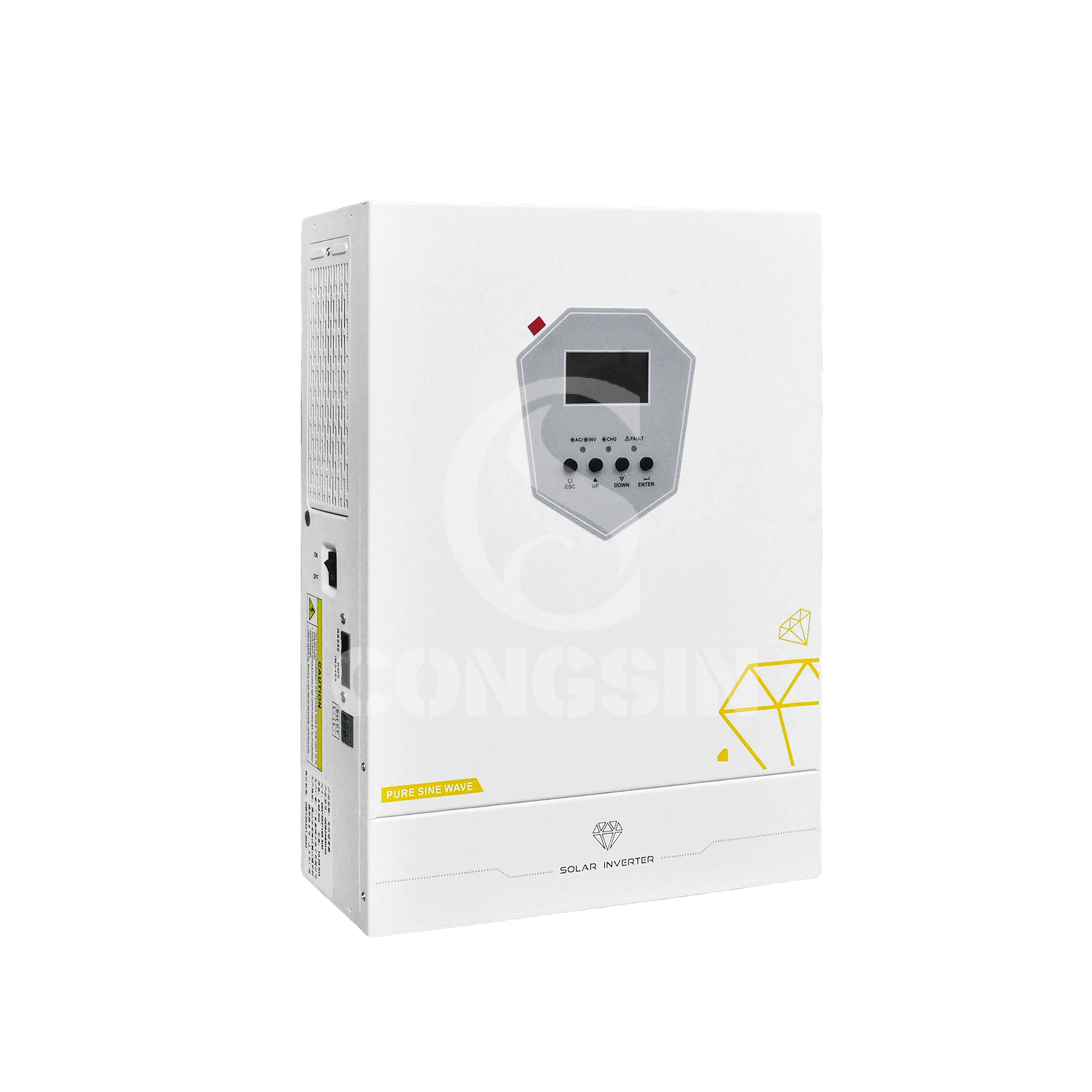
Factory Direct Sales 6000W Hybrid Solar Power Inverter with Controller and LCD Display
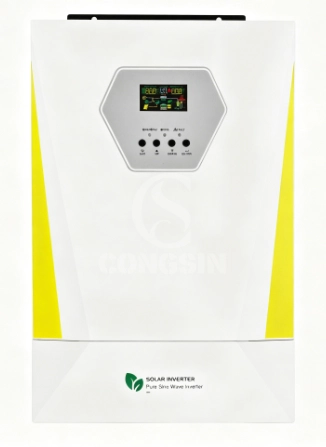
Congsin 4000W and 6000W Hybrid Inverter with Controller with LCD Display and CE Certification Solar
Power your solar system efficiently with the Congsin 4000W and 6000W Hybrid Inverter. Featuring an integrated MPPT Controller, this CE Certified inverter ensures optimal energy conversion. Monitor performance effortlessly via the intuitive LCD Display. Reliable, powerful, and ready for your sustainable energy needs.
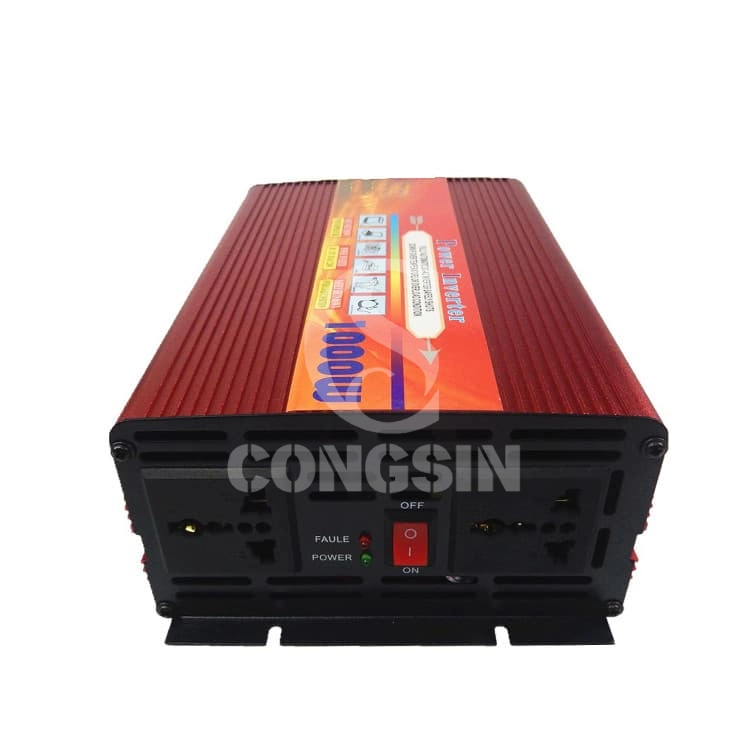
Congsin Manufacturer Wholesales Big Capability Modified Sine Wave Inverter with Red case and Double fan
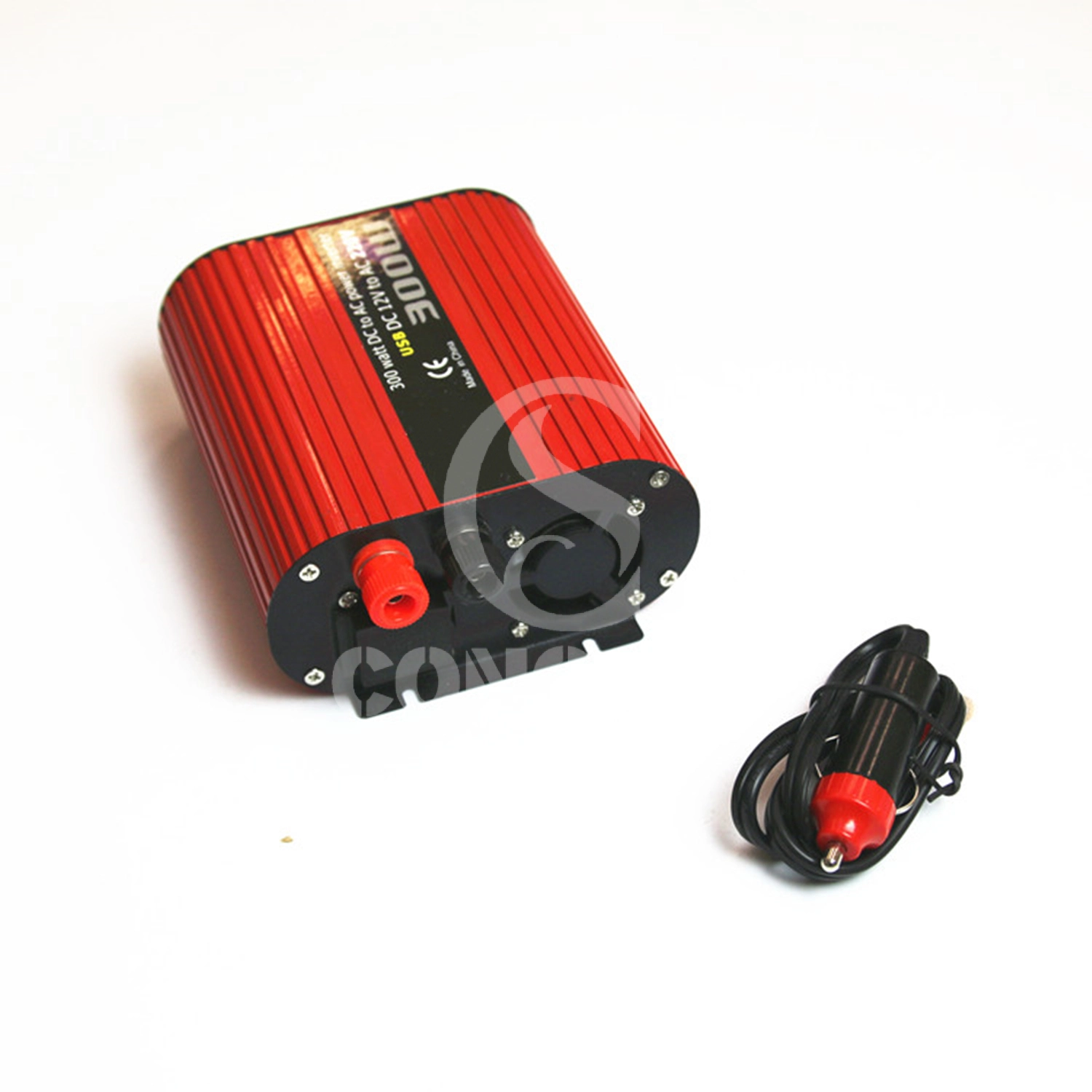
Factory Direct Sales Portable 150W Modified Sine Wave Inverter DC12V to AC220V Off-grid Sine Wave Inverter with Two USB and Universal Socket
Congsin's Portable 150W Modified Sine Wave Inverter powers your journey! This versatile Car Power Inverter with USB acts as a reliable 12V to 220V converter, ensuring an essential off-grid power supply. With dual USB ports and a universal socket, enjoy convenient power on the go.

CONGSIN is a trusted OEM factory for power inverters, solar charge controllers, and DC converters. Reliable solutions for global B2B buyers.
 High Quality
 7/24 Service
 Guaranteed Warranty
© 2025 Congsin. All Rights Reserved.
 WeChat
 Scan QR Code
sin cong
teaimei10
Whatsapp: +8618028086791
Scan QR Code